
50mm vs 85mm f/1.2 Prime Lens Comparison for Portrait and Wedding Photographers | Which Should YOU Buy?
50mm vs 85mm f/1.2 Prime Lens Comparison: Which Best Lens for Portrait Photography Belongs in Your Bag?
Choosing between a 50mm and an 85mm lens is a common question I see from photographers in my free Build and Bloom Facebook community, and it's easy to see why. Both are considered essential prime lens options, but they behave completely differently once you're actually out shooting.
In this ultimate 50mm vs 85mm lens comparison for portrait and wedding photography, I’m breaking down the Nikon Z 50mm f/1.2 S and the Nikon Z 85mm f/1.2 S side by side. I’ve shot four weddings with these two lenses, so everything here comes from real working conditions, not just spec sheets.
To help you decide which is the best lens for portrait photography in real-world environments, we’ll look at side-by-side photo comparisons across various lighting scenarios:
Low Light & Blue Hour: How each f/1.2 aperture handles focus speed and background light loss at dusk.
Golden Hour & Backlighting: Comparing lens flare, contrast retention, and subject separation.
Overcast, Shade, & Direct Sun: How compression and focal length impact color rendering and skin tones in daylight.
We'll also cover field of view, background compression, price differences, and when to choose each focal length. While I’m using Nikon S-line glass for these specific photo examples, these core principles apply whether you shoot Canon, Sony, or Fuji.
At a Glance: 50mm vs 85mm 1.2 Comparison Table
| Feature | 50mm Prime Lens | 85mm Prime Lens |
|---|---|---|
| Best For | Environmental portraits, tight spaces, bridal party, group photos | Headshots, isolated portraits, wedding reception details, ceremonies |
| Working Distance | Short (close to your subject) | Long (requires stepping back) |
| Facial Proportion | Natural, slight environmental context | Zero distortion, highly flattering for features |
| Depth of Field | Shallow at f/1.2 | Ultra-shallow with dramatic background blur |
| Bokeh Quality | Creamy background blur | Painterly, ultra-creamy bokeh |
| Ideal Lighting | Indoors, coffee shops, getting-ready rooms | Golden hour backlighting, open space, dusk |
When to Use an 85mm Prime Lens for Photography
Portraits, Headshots, & Proportion
I love the 85mm because it’s true to what your eyes see - it does not distort or warp the face or body. I love using the 85mm whenever possible for portraits. It’s more true to what your eyes see in the mirror of yourself. The 85mm does not skew the body’s proportions the same way a 35mm does, or how a 50mm can slightly.
The 85mm means you have to be further away from your subject than with a 50mm, so if you work in tight spaces (such as a coffee shop) it might not be the best fit for you.
It also creates a more intense subject-background separation, which is a stylistic choice I prefer.
Using the 85mm for Dreamy Reception Detail Shots
I love using an 85mm for reception detail shots. For reception details, it creates a dreamy look, especially when you shoot wide open at f/1.2 for that maximum creamy bokeh quality.

using a 85mm to Capture Emotional Ceremony Moments from guests & Reactions from the parents
It is also an incredible prime lens for capturing reactions during a wedding ceremony. An 85mm is ideal for capturing candid shots of guests, particularly parents, because it isolates your subject so cleanly and builds a far more impactful image.

When to Use a 50mm Prime Lens for Photography
Versatility in Tight Spaces & Full-Body Shots
A 50mm is one of the most versatile focal lengths, and I believe every portrait photographer should have a 50mm in their camera bag. It does not have to be the top-of-the-line S lens either; even an f/1.8 nifty fifty works exceptionally well.
If you are shooting in a space that is too tight for an 85mm but you still want that beautiful shallow depth of field that a zoom lens cannot replicate, a 50mm is the ultimate sweet spot. A 35mm lens can often be too wide and warp the body, but a 50mm keeps your subject proportionate while capturing full-body portraits and environmental portraits that show off the venue.
Bridal Parties & Real Wedding Scenarios
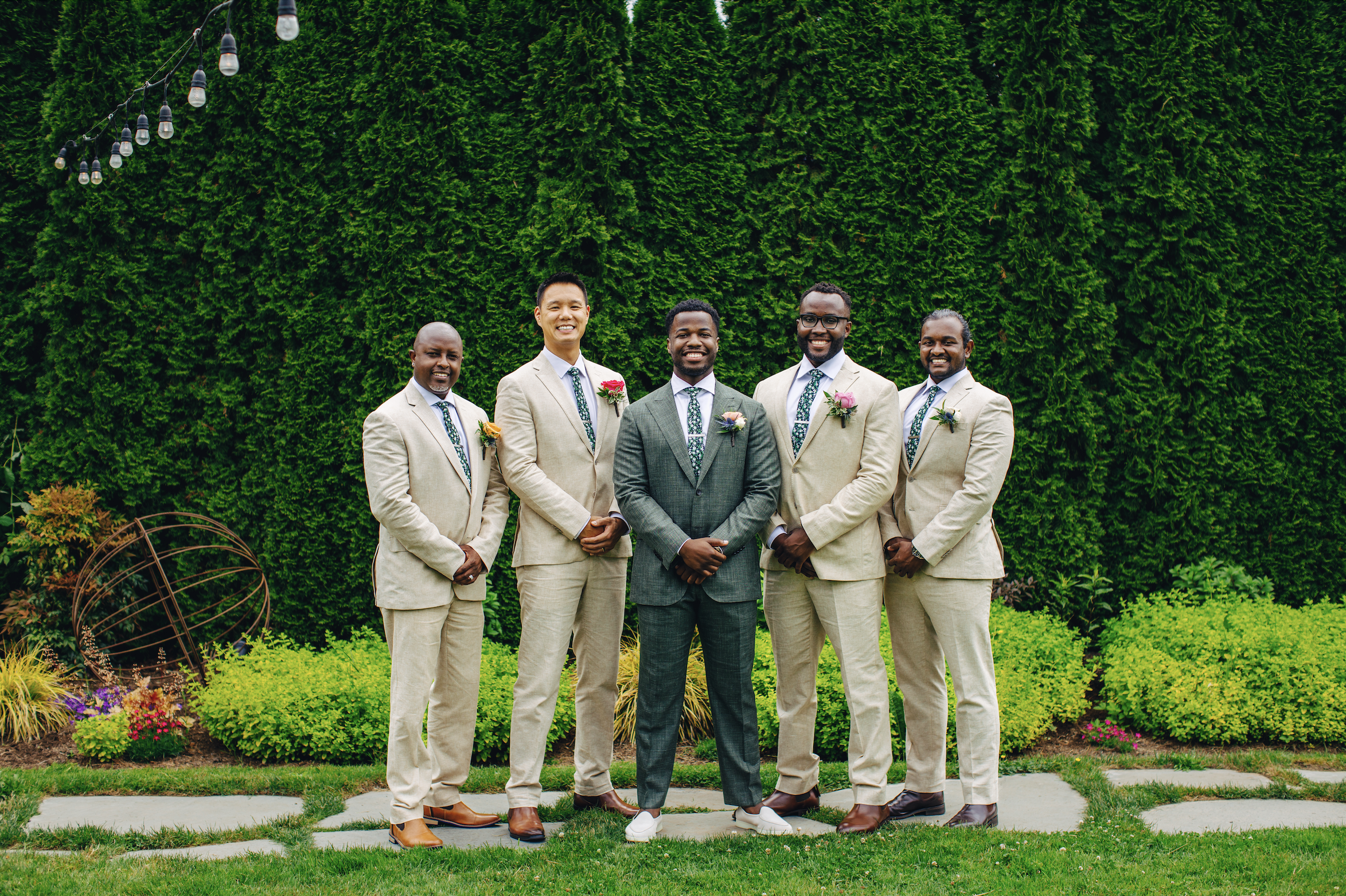
The 50mm is a workhorse focal length that handles a huge variety of subjects. For wedding photography specifically, I love using a 50mm for group shots on one side of the bridal party. Having second-shot several weddings recently, I see how different primary photographers have unique stylistic preferences.
Some photographers take a more technical approach and ask me to shoot group shots at a higher aperture like f/6.0, where a 24-70mm zoom lens works great. Other photographers want the stylized, wide-open look at f/1.2, f/1.4, or f/1.8. For that, you need a prime lens since a standard 24-70mm only drops to f/2.8. It all comes down to personal taste, but if I have my pick, I reach for the 50mm.
50mm vs 85mm: Which Prime Lens Should You Start With?
The 85mm isn't talked about enough when beginners are deciding on their very first prime lens. If there were more education around the 85mm, I think a lot of photographers would skip right past the 50mm and go straight for the 85mm because of that pronounced subject-background separation and bokeh quality.
An 85mm lens shifts perspective and makes foreground elements look larger, creating a distinct stylistic look a 50mm cannot replicate. If you love shooting wide open at f/1.2 or f/1.4, you will likely prefer the 85mm over the 50mm. The way the 85mm focal length compresses your background gives photos a painterly, dream-like quality.

50mm f/1.2
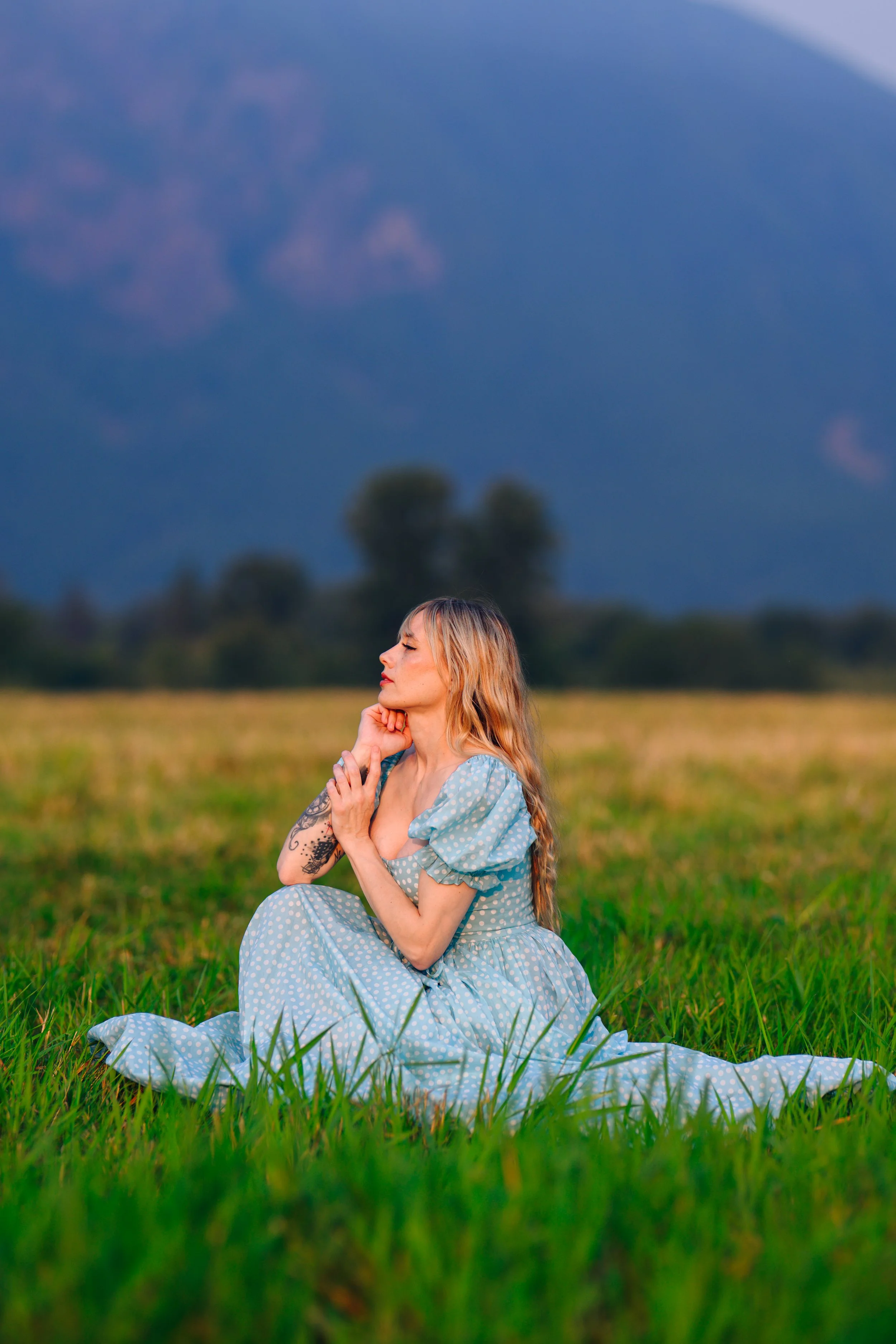
85mm f/1.2

50mm vs 85mm Price Comparison
The Nikon S
Nikon Z 50mm f/1.2 S Lens
Buy new on Nikon: $2,250. Listed on sale for $2,050
Buy used KEH: $1,500 in Excellent Plus
Canon’s version, the RF: $2,600
Nikon Z 85mm f/1.2 S Lens
Buy new on Nikon: $3,000 on sale right now for $2,800
Buy used on KEH: Excellent condition: $2,300
Canon’s version, the RF: $3,100
Understanding S-Line Lens Coatings
The Nikkor Z 50mm f/1.2 S features both Nano Crystal Coat and ARNEO Coat to reduce hazy, washed-out flare and ghosting when shooting straight into bright light sources. Nano Crystal Coat cuts down internal reflections across a wide light spectrum to prevent reddish ghosting. ARNEO handles direct, head-on light, such as shooting straight into the sun or framing indoor string lights directly.
Why Is the 85mm More Expensive Than the 50mm?
The 85mm features Nano Crystal Coat but omits ARNEO. If it lacks that second coating, why is it $750 more than the 50mm?
Looking at the technical specs, the 85mm actually has fewer individual glass elements than the 50mm. Elements are the pieces of glass stacked inside the lens barrel to bend and focus light cleanly. The 50mm contains 17 elements (including 3 aspherical and 2 ED elements for distortion and color fringing), while the 85mm has 15 elements (2 aspherical and 1 ED element).
The higher price tag comes down to physical size and manufacturing precision. Holding an f/1.2 aperture at an 85mm focal length requires much larger, precisely engineered glass elements, and producing glass at that physical size is significantly more expensive. The 85mm also features 11 rounded aperture blades instead of 9, engineered specifically to deliver creamy bokeh for wedding and portrait photography. You are not paying for extra coatings; you are paying for the massive, high-precision glass and specialized aperture assembly.
Shared Performance Features
Both prime lenses deliver razor-sharp results and ultra-fast autofocus, even in low light. Each lens utilizes dual autofocus stepping motors working in tandem rather than a single motor, allowing them to track moving subjects silently and instantly. Both produce stunning creamy bokeh and feature complete weather sealing. In terms of overall build quality and speed, they perform equally well.
What Is Lens Compression? How 50mm and 85mm Handle Backgrounds
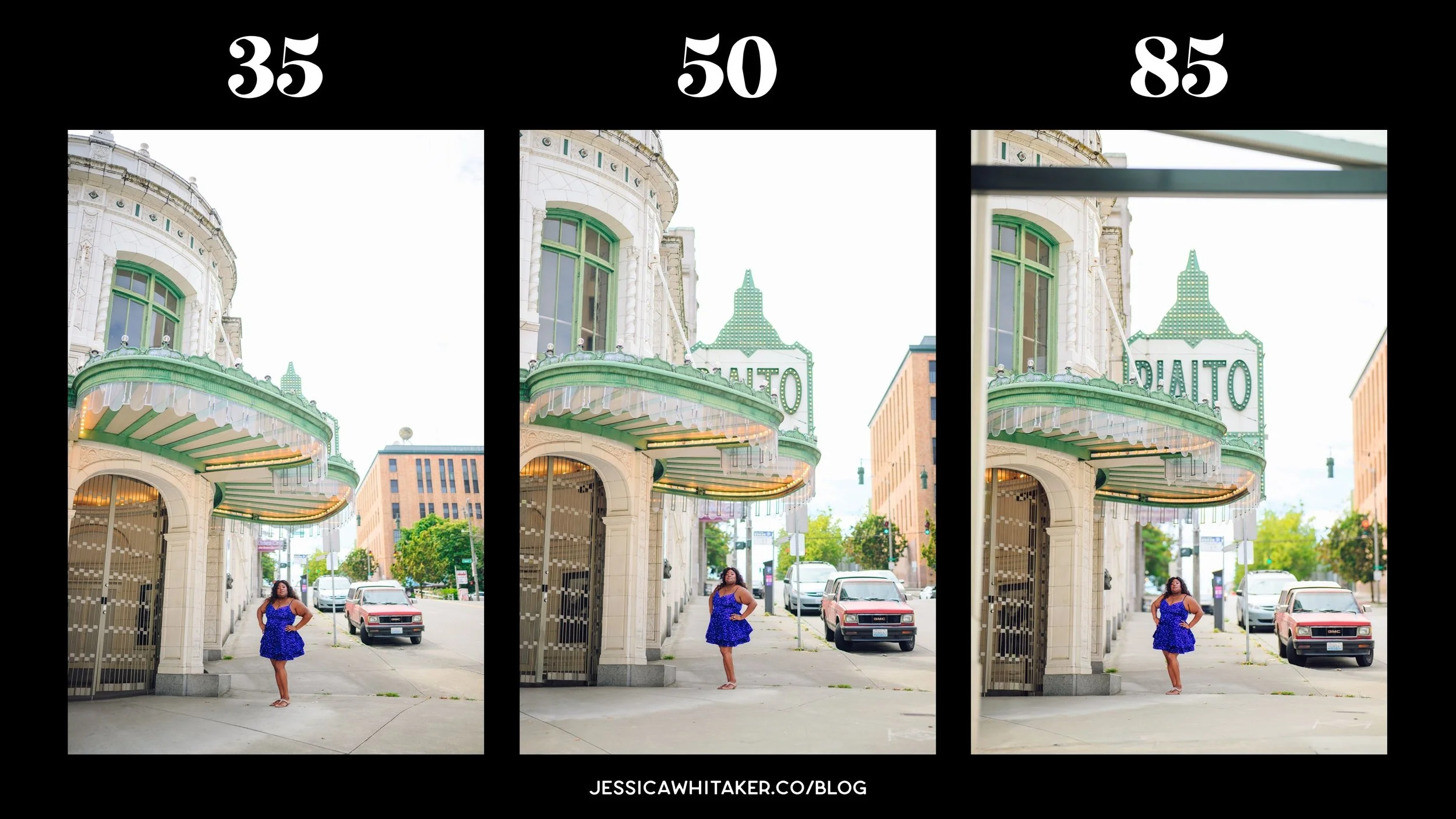
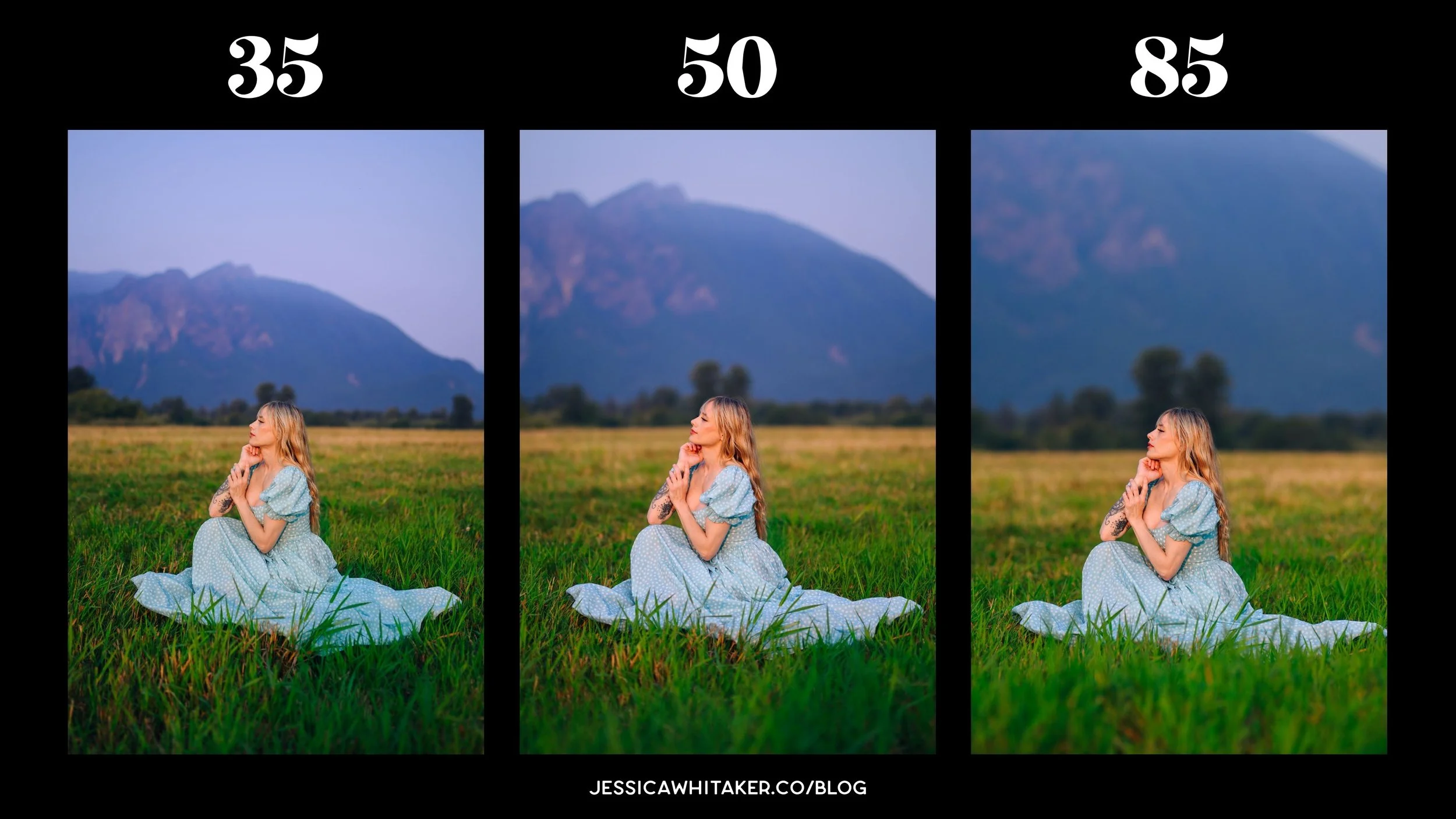
Lens compression is an optical effect that makes your subject and background appear closer together, pulling background elements forward so everything feels balanced in the frame.
Because an 85mm requires a larger working distance where you step further back to maintain your framing, the proportional distance between you, your subject, and the background changes. The background stays in place, but it stops looking tiny or distant compared to your subject.
If you love creamy backgrounds and proportional scale, this optical behavior is why the 85mm is often considered the best lens for portrait photography. To see how dramatic this shift is, compare these focal lengths against a 35mm lens side by side:
Real-World Sample Images & Lighting Scenarios
Below are side-by-side sample photos comparing the 50mm and 85mm across various lighting environments:
Low light and blue hour dusk shots
Open shade and partial sun
Direct sunlight, golden hour, and harsh backlighting
Some photos were taken from the exact same standing position, while others keep the subject's framing identical to show the true difference in field of view, depth of field, and compression.

Which Lens Should YOU Buy?
Who Should Buy the 50mm Prime Lens?
Start with the 50mm if you frequently shoot in tight spaces like small getting-ready rooms, indoor venues, or coffee shops where working distance is limited. It provides fantastic subject-background separation without backing you into a corner. It is also the best pick for capturing environmental portraits and full-body portraits. It is the more accessible option financially, especially if you start with an f/1.8 version.
Who Should Buy the 85mm Prime Lens?
Choose the 85mm if you prioritize stunning headshots, painterly background compression, and ultra-creamy bokeh. It is ideal for outdoor portraits and city shoots where you want the architecture to remain scaled correctly behind your subject without distortion. You need enough working distance to step back, so it is less ideal for cramped interiors. However, if space is not an issue, many photographers find the 85mm yields the exact high-end look they want right away.
If you can only pick one today, evaluate your primary shooting locations. For small spaces and all-around utility, choose the 50mm. For dramatic background separation and open space, pick the 85mm. For wedding and portrait photographers, both focal lengths serve distinct roles that complement each other as your kit grows.
Frequently Asked Questions (FAQ)
Is a 50mm or 85mm lens better for headshots?
The 85mm is widely considered the best lens for portrait photography when shooting dedicated headshots. Because of its longer focal length, it eliminates facial distortion, flattens features naturally, and offers an ultra-shallow depth of field that completely isolates your subject from the background.
Can you shoot full-body portraits with an 85mm lens?
Yes, but you will need a significant amount of working distance. To capture a full-body portrait with an 85mm lens, you have to stand much further back from your subject compared to a 50mm. This makes the 85mm ideal for outdoor full-body shots, but challenging to use inside small getting-ready rooms or tight venues.
What is the main difference in working distance between a 50mm and 85mm?
A 50mm lens allows you to stand much closer to your subject, making it ideal for tight spaces and environmental portraits. An 85mm requires you to step back several feet further to achieve the exact same framing, which creates stronger lens compression and a creamier bokeh quality.
Should a beginner buy a 50mm or 85mm prime lens first?
If you frequently shoot indoors or in cramped locations, start with a 50mm for its overall versatility. However, if you shoot primarily outdoors, love dramatic background blur, and want clean, distortion-free portraits, starting with an 85mm is often the better choice for achieving that professional, painterly look right away.